
Early Signs of a Plumbing Problem Every Evansville Homeowner Should Know
Locally owned plumber in Evansville, IN. Open 24/7.
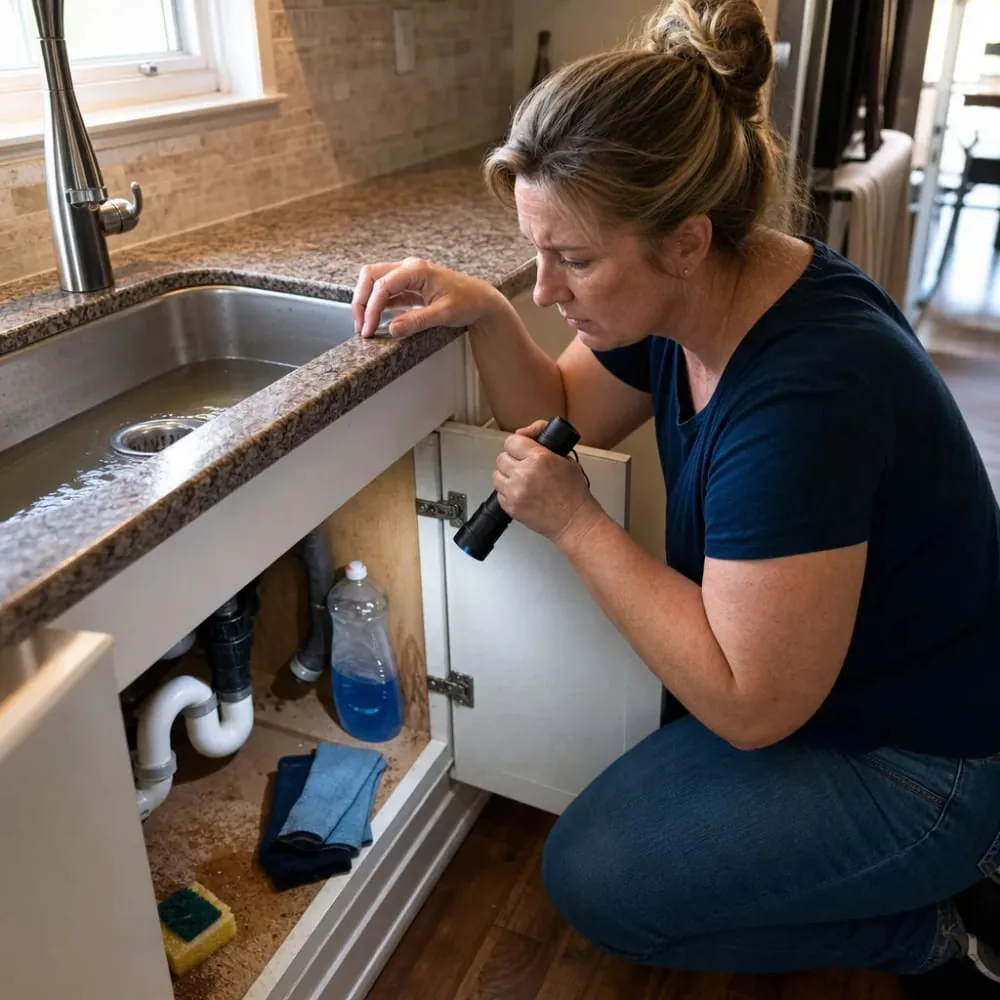
Why One Symptom Rarely Tells the Whole Story
A single plumbing symptom is usually a clue, not the full answer. Slow drains, odd sounds, and low pressure often show up together when the real problem sits deeper in your system. Looking at the pattern helps you tell a quick fix from a call you shouldn't put off.
A slow sink looks like a small thing. Sometimes it is. But one drain acting up can also be the first sign that your main sewer line is in trouble.
We see this all the time. A homeowner fixes the one thing they noticed. Then a week later, three more things go wrong. That's not bad luck, it's the same problem showing up in new places.
Your plumbing is one connected system. Water comes in through a single line. Waste leaves through a single main drain. So when something fails deep inside, it rarely stays in one spot for long.
Here's how a small symptom can change meaning once it has company. Read these as pairs.
- One slow sink is usually a local clog. Slow drains in the tub, toilet, and sink at once often point to the main sewer line.
- Low pressure at one faucet can be a dirty aerator. If the whole house drops, we look at the pressure regulator or the water line.
- A gurgling toilet on its own may be a venting issue. Gurgling plus a sewer smell in the basement is a much bigger warning.
- A small ceiling stain might be a drip from a supply line. Add a sudden jump in your water bill and you may have a hidden leak.
- Rusty water from the hot tap only often traces back to an aging water heater. Not your pipes.
The pattern matters more than any single sign. Ask yourself one simple question. Is this happening in one place or several?
Last spring a family in Evansville called us about a slow kitchen sink. They'd already poured two bottles of drain cleaner down it. When we got there, we ran the washer and the downstairs toilet bubbled. Tree roots had grown into the main sewer line, the kitchen sink was just the first fixture to complain.
The drain cleaner never stood a chance.
Older homes around Evansville are prone to this. Many still have clay or cast iron sewer lines. Mature trees send roots toward them looking for water. And our clay soil shifts with wet springs and hard freezes. That slow movement can crack pipes over the years.
So what should you do when you spot one sign? Walk the house. Run water at a few fixtures and flush a toilet. Then listen. Check under sinks and around the water heater for damp spots. Write down anything odd, even a faint smell or a drip that comes and goes -
Either way, that list helps us find the real cause faster.
When we come out as a plumber in Evansville for a plumbing inspection or leak detection, we don't stop at the first problem we see. We check the whole system. That way you aren't paying to fix the same issue twice. And that goes for homes and commercial buildings alike.
Noticed more than one sign? Call us at (812) 677-8484. We're licensed, insured, and locally owned. We answer 24/7 across Evansville and the Tri-State. Quotes are free, and there's no trip or diagnostic fee.
Slow Drains and Gurgling Sounds Worth Watching
Your tub takes a little longer to empty than it used to. Then the toilet makes a weird glug after you run the washer. Most people shrug that off.
Don't.
Slow drains and gurgling sounds are some of the earliest signs of a plumbing problem. They show up weeks or months before a backup. And they're telling you something real about what's going on inside your pipes.
A gurgle is air. Water moving through a drain needs air behind it to flow smoothly. When something partly blocks the line, air gets trapped. It pushes back up through the nearest drain or toilet bowl, that's the bubbling sound you hear.
One slow sink usually means a local clog. Hair, soap, or grease sitting close to that one drain. But the pattern matters more than any single drain. Here's what we listen for when a customer calls us about it:
- More than one drain is slow at the same time
- The toilet gurgles or bubbles when a nearby sink or tub drains
- Water backs up into the tub when you flush
- The lowest drain in the house gets slow first, often a basement floor drain
- A sewer smell comes along with the sounds
See two or more of those? That points past a single fixture. It usually means trouble in the main drain or sewer line. Sometimes it's a blocked vent pipe on the roof instead.
We see this a lot in older Evansville neighborhoods. Many homes here still have aging sewer lines under the yard. Tree roots find the joints in those pipes and slowly fill them in. The drains don't stop all at once. They just get a little slower every month.
Here's a call we get all the time. A homeowner on the west side noticed the downstairs toilet gurgling for about two months. No backup, so they waited. Then family came over for Thanksgiving, everyone used the bathrooms, and sewage came up through the basement floor drain. Rough day. The fix at that point was much bigger than if we'd cleared the line when the gurgling started.
So what do we do when you call about it?
First, we figure out where the blockage is. A plumbing inspection tells us if it's one drain, the main line, or the vent. If it's a local clog, drain cleaning usually takes care of it. If it's the main line, sewer cleaning clears roots and buildup from the pipe. And if your home doesn't have an easy access point, cleanout installation makes future cleaning simpler. Cracked or sagging pipe may need plumbing pipe repair.
One tip from the field. Skip the store-bought drain chemicals on a gurgling line. They rarely reach the real blockage. Most people don't realize they can also eat at older pipes over time.
Not every slow drain is an emergency. Some are, though. If you want to learn the other warning signs to watch for, our plumbing resources for Evansville homeowners cover leaks, water pressure, and more.
Hearing gurgles or watching drains slow down? Call us. We're licensed, insured, and locally owned, serving Evansville and the Tri-State 24/7. Quotes are free, with no trip or diagnostic fee, for homes and businesses alike. Call (812) 677-8484
Hidden Water Leak Signs You Can't Always See
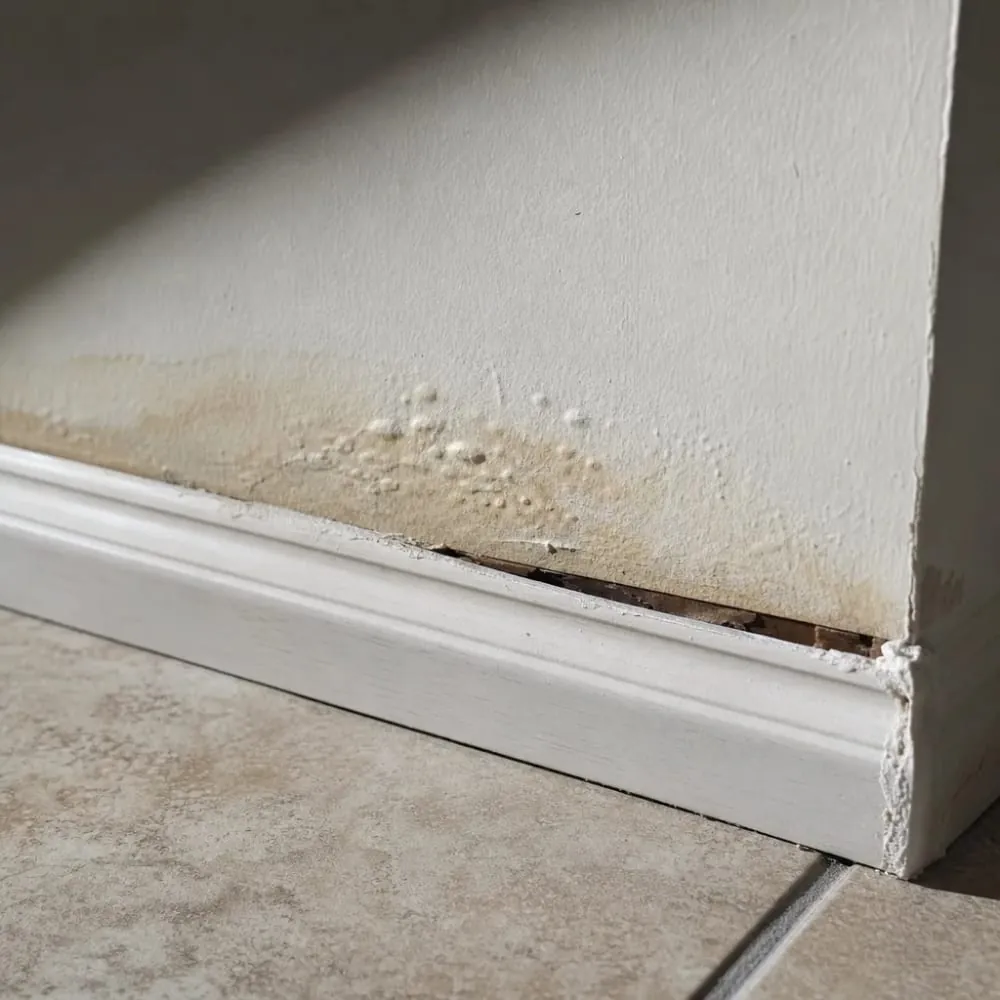
Some leaks never drip where you can see them. They hide in walls, under floors, and below the slab. You notice the damage first. Not the water.
We get this call a lot in Evansville. A homeowner spots a faint brown ring on the ceiling. They figure it's old. Six months later the drywall sags and the insulation above it is soaked.
A stain is the last sign, not the first.
So what should you watch for? These are the quiet clues we check first on a plumbing leak detection call.
- Your water bill keeps climbing, but your habits haven't changed
- A musty smell lingers in one closet or under one sink
- Paint bubbles or peels on a single patch of wall
- A tile or concrete floor feels warm in one spot, often from a hot water line
- You hear water running when every faucet in the house is off
One of these is worth a closer look. Two or more together usually means water is going somewhere it shouldn't.
The water bill is the easiest clue to check. The EPA's WaterSense program says household leaks can waste nearly 10,000 gallons of water a year. Most of that never shows up on the floor.
You can test for a hidden leak yourself. It takes about two hours and zero tools.
- Turn off every faucet, appliance, and ice maker in the house.
- Find your water meter and write down the number.
- Don't run any water for two hours.
- Check the meter again.
- If the number moved, water is leaking somewhere.
That test won't tell you where the leak is. That's the part we handle.
Evansville makes hidden leaks harder to catch. Our summers are humid, and a lot of homes here sit over crawl spaces or basements. Damp air covers up the smell of a slow leak. A drip under a crawl space can soak the ground for months, nobody goes down there to look.
And older homes near downtown and on the West Side often still have galvanized pipe. It rusts from the inside out. By the time you see a rust stain, the pipe has usually been weeping for a while.
We see this mistake all the time. Folks paint over a water stain and call it fixed. But the leak is still there behind the fresh paint. It just stopped showing you.
Commercial buildings aren't off the hook either. We often find leaks behind restroom walls and above drop ceilings. Those spots go weeks without anyone looking up.
Our plumbing leak detection starts with listening and testing. We use tools like acoustic listening gear and thermal cameras to narrow down the spot. The goal is simple. Find the leak without tearing out more wall or floor than we have to. Then we fix the pipe and show you what we found.
Most people don't realize a slab leak can run for weeks before the floor ever feels warm. Waiting rarely makes it cheaper or easier.
Noticed one of these signs? Call us at (812) 677-8484 or send the contact form. We're open 24/7 across Evansville and the Tri-State. We're licensed, insured, and locally owned. Quotes are free, and there's no trip or diagnostic fee.
Frequently Asked Questions
- How do I know if a slow drain is a small clog or a bigger plumbing problem?
- Check if more than one drain is slow at the same time. A single slow sink is usually a local clog from hair or grease. But if the tub, toilet, and sink all drain slowly together, the problem likely sits in your main sewer line. Run water at a few fixtures and flush a toilet to test this. If you notice a pattern across the house, it's time for a plumbing inspection instead of more drain cleaner.
- When should I call a plumber instead of trying to fix it myself?
- Call a plumber once you see a sign in more than one spot, like gurgling plus a sewer smell, or slow drains in several rooms. Store-bought drain chemicals rarely reach blockages deep in a main line and can wear at older pipes over time. A plumbing inspection finds the real cause instead of guessing. Our plumbing resources for Evansville homeowners walk through more warning signs worth watching before you decide.
- Why do older Evansville homes have more plumbing warning signs than newer ones?
- Many older Evansville homes still have clay or cast iron sewer lines, which crack and shift more easily than modern pipe. Mature trees nearby send roots toward these pipes looking for water. Our clay soil also shifts with wet springs and hard freezes, which stresses aging pipe joints over the years. If your home is older, watch for slow drains and gurgling sounds more closely than you might in a newer build.
- Is a gurgling toilet always a sign of a sewer line problem?
- No, a gurgling toilet on its own can just be a venting issue, not a main line problem. But if it gurgles along with a sewer smell in the basement or slow drains elsewhere in the house, that points to something bigger. The sound itself comes from trapped air pushing back through the drain. Pay attention to whether it happens alone or alongside other symptoms before deciding how serious it is.
- Can a sudden jump in my water bill mean a hidden leak?
- Yes, a sudden rise in your water bill, especially paired with a small ceiling stain or damp spot, often points to a hidden leak. These leaks can sit inside walls, under floors, or below the slab where you never see the water directly. You usually notice the damage before the leak itself. Walking your home and checking under sinks and around the water heater can help you catch these early.
- Does low water pressure always mean a problem with my main line?
- Not always. Low pressure at just one faucet is often a dirty aerator, an easy fix. But if pressure drops across the whole house, the issue is more likely your pressure regulator or the main water line feeding your home. Testing pressure at a few different fixtures helps you tell the two apart. If the drop is house-wide, it's worth having the system checked rather than waiting it out.
Call and tell us what you're seeing.
Quotes are free, and there's no trip or diagnostic fee.