What Kinds of Jobs Does a Plumber Handle in Evansville?
Locally owned plumber in Evansville, IN. Open 24/7.
The Three Systems a Plumber Works On
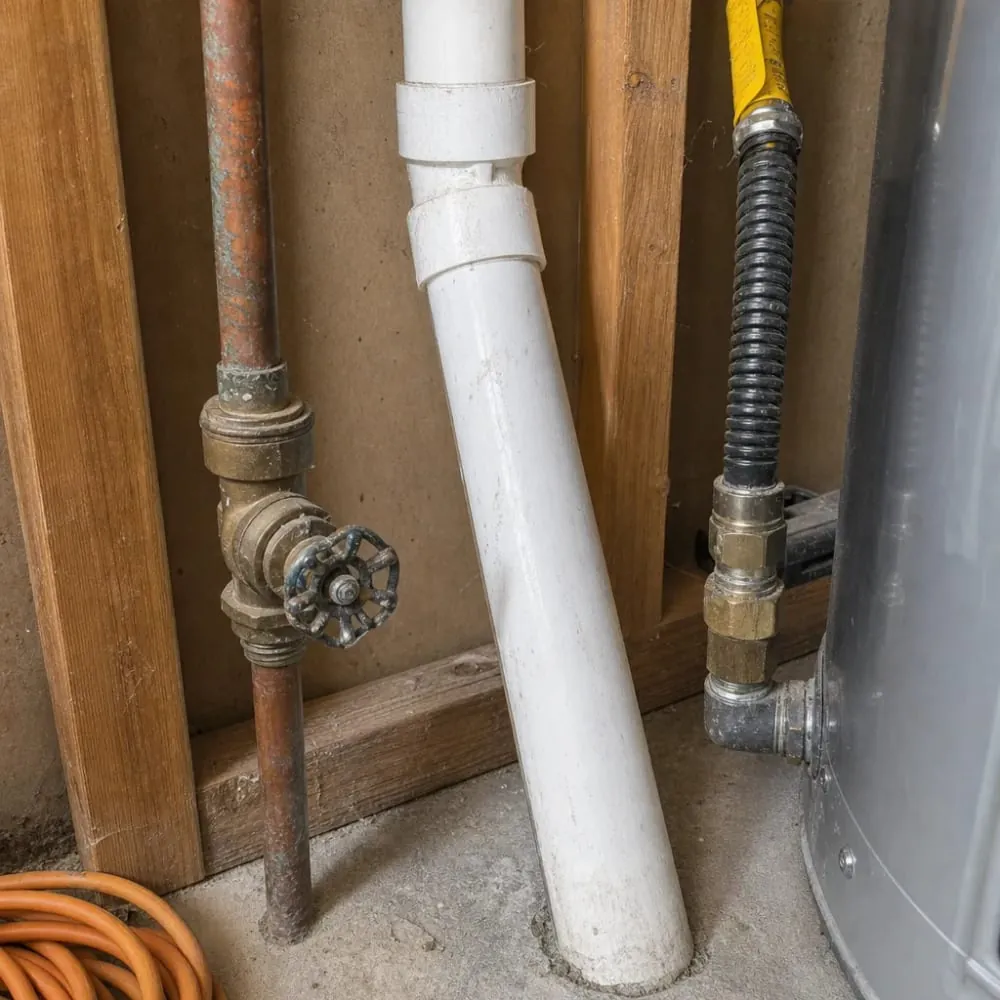
Almost every plumbing job falls into one of three systems. Clean water comes in through supply lines, used water leaves through drains and the sewer or septic tank, and gas lines feed your gas appliances. Knowing which system is acting up helps you explain the problem when you call.
Most folks think a plumber in Evansville just fixes leaks. That's part of it. But almost every call we take in Evansville lands in one of three systems.
Think of your home or shop like this. Water comes in. Water goes out. And in a lot of buildings, gas runs right alongside both.
System one is your water supply.
This is the pressurized side. Clean water travels from the city main or your well to every tap in the building. Because it's under pressure, a supply problem shows up fast. A burst pipe sprays. A slow drip stains the ceiling or bumps up your water bill without warning.
Here's the supply work we handle most often:
- Faucet repair and new faucet installs
- Water heater repair and installation, tankless units included
- Water line work from the street all the way to your house
- Pressure regulators and expansion tanks
- Water softeners, plus well pumps and pressure tanks for homes on wells
- Leak detection when you can't tell where the water's going
System two is drainage. No pressure here at all. Just gravity.
Used water flows downhill from sinks, tubs, and toilets into your main sewer line. From there it heads to the city sewer or a septic tank. Vent pipes through the roof let air in so everything drains smoothly. When a vent clogs, you'll hear gurgling.
Lots of older Evansville homes still have clay sewer pipe. Tree roots love it, we pull roots out of those lines all the time. Wet springs along the Ohio River keep us busy with sump pumps and French drains too. And homes on septic around the Tri-State need tank, baffle, and drain field work from time to time.
System three is gas piping. Not every plumber touches it. We do.
Gas lines feed your water heater, your range, and other gas appliances. We install and repair gas lines, run pressure tests, and track down leaks, including underground gas piping. Smell rotten eggs? Get everyone outside first. Then call the gas company and call us from outside.
So why does any of this matter to you? Because fixtures sit right where these systems meet. A toilet uses supply and drain. A gas water heater uses all three.
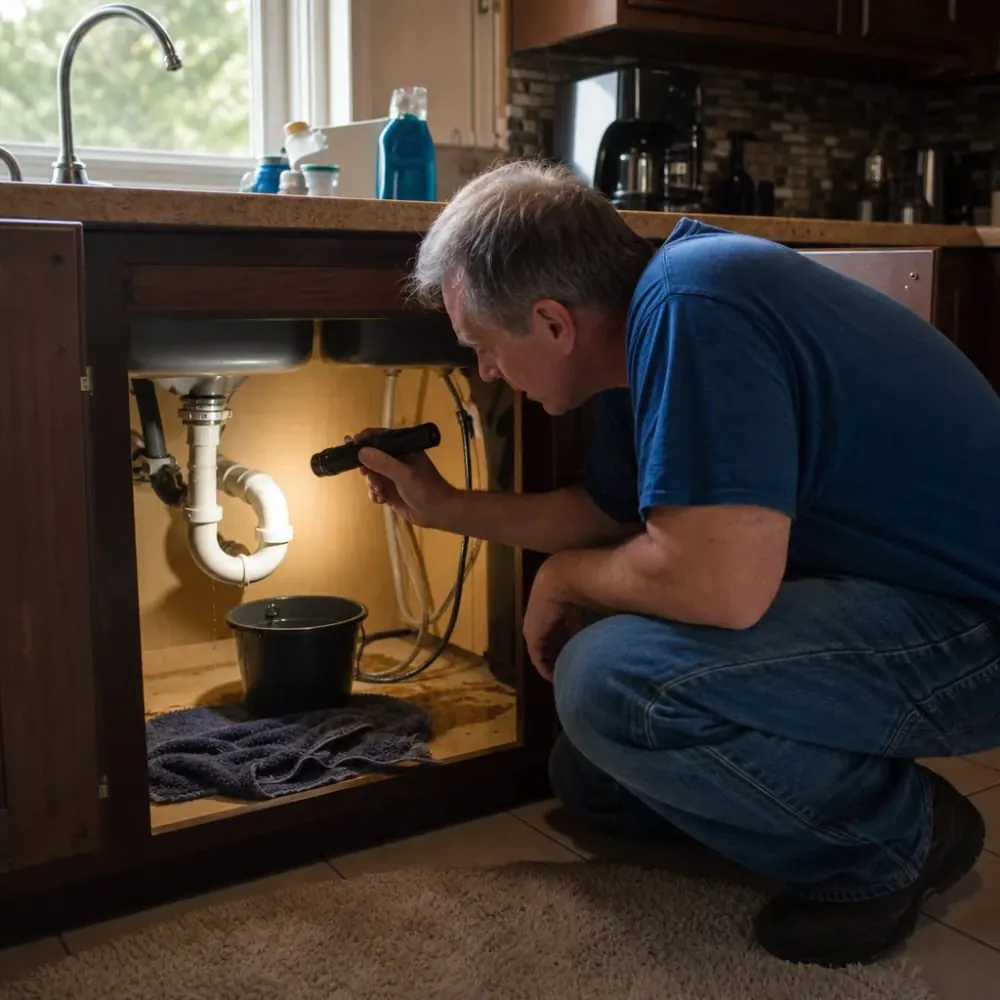
We had a Newburgh customer call about a leak under her kitchen sink. She figured a water line had split. The supply side was fine, though. The drain trap had cracked, and it only dripped when she ran the dishwasher. A ten-minute look sorted it out.
We see that mix-up constantly, and it's no problem at all.
You don't need the right words. Just tell us what you see, hear, or smell. Our job is figuring out which system it's coming from. The same goes for restaurants, offices, and other commercial buildings. Their systems are just bigger.
Not sure which system is acting up? Call us any hour, any day. We're licensed, insured, and locally owned. Quotes are free, and there's no trip or diagnostic fee. Call (812) 677-8484
Repair Jobs vs. Installation Jobs: What's the Difference
Your water heater's dripping from the bottom. Do you fix it or replace it?
That's the question behind most calls we get in Evansville. And the answer puts almost every plumbing job into one of two groups. Repairs fix what you already have. Installations put in something new.
Sounds simple. But the line between them isn't always clear when water's on the floor.
Repair jobs are about getting a working system back. The part is still good overall, one piece just failed. Here's what a plumber repairs most often around the Tri-State:
- Faucet repair and toilet repair for drips and running tanks
- Plumbing leak repair after we track the source with leak detection
- Water heater repair when there's no hot water or a bad element
- Sump pump repair before the next heavy spring rain
- Septic tank repair and gas line repair for bigger system problems
Installation jobs are different. You're adding something or swapping out a whole unit. Think water heater installation or a move to tankless water heaters. A tub-to-shower conversion counts too. So does sump pump installation, a new water softener, or a backflow preventer. On the bigger side, we handle whole-home repipes, sewer line installation, and new construction plumbing rough-in.
So how do we pick one over the other? We don't guess. Here's the order we work through on every call:
- Find the real cause first. A wet ceiling isn't always the pipe right above it.
- Check the age and condition of the fixture or system.
- Ask how often it's failed. One repair is normal, a third one usually isn't.
- Look at whether a fix will last or just buy a few months.
- Lay out both options with a free quote so you choose.
We see this mistake all the time. Someone keeps paying to patch the same old water heater. Then it fails on a cold January night anyway.
Here's a real example. A homeowner on the West Side called us about a sump pump that kept kicking on and off. The pump itself was fine. The check valve had worn out, a cheap part and a quick repair. Their neighbor had the same symptom the same week. That basin was cracked and the pump was old - so that one became an installation.
Same symptom. Two different jobs.
Repair vs. installation works the same way for businesses. Commercial fixture repair keeps a restroom open today. Commercial water heater install and commercial piping are planned projects with more lead time. Most of the questions people bring us land in one of these two buckets, and our plumbing guides for Evansville homes are sorted the same way.
Timing matters too. Repairs tend to be urgent, which is why we answer 24/7, every day. Installations can often be scheduled around your week. We can't promise every job gets done the same day. But we'll always tell you straight what we found and what makes sense.
Not sure which one you need? That's our job to figure out, not yours.
We're licensed, insured, and locally owned, serving homes and businesses across Evansville and the Tri-State. Quotes are free and there's no trip or diagnostic fee. Call us any hour and we'll tell you if it's a repair or a replacement. Call (812) 677-8484
Residential vs. Commercial Plumbing Jobs
A slow drain in a house is annoying. A slow drain in a restaurant can shut the doors for the night.
That's the real split between residential and commercial plumbing. The pipes are bigger, the use is heavier, and the stakes are higher on the business side.
Most of what we fix in Evansville homes is everyday stuff. A toilet that runs all night. A water heater that quits right before the morning shower. A faucet that drips until it drives you nuts.
Older homes near downtown often have aging supply pipes and tired sewer lines. Newer builds tend to have trouble at fixtures and appliances instead. With the Ohio River close by, plenty of local basements lean hard on a sump pump every spring. So sump pump repair and installation keep us busy when the rain sets in.
Commercial plumbing is a different animal.
The basic idea is the same. Water comes in clean and goes out dirty. But the scale changes a lot. Here's what's different when we work on a business.
- Bigger lines that carry far more water every hour of the day
- Restaurant drains full of grease and food waste that need commercial drain cleaning on a regular schedule
- Backflow preventer testing and installation to keep dirty water out of the city supply
- Water heaters sized for a whole staff or a busy kitchen, not a family of four
- Downtime that costs the owner money for every hour the doors stay shut
That last point changes how we work. A homeowner can sometimes wait until morning. A business usually can't.
Here's one we see a lot. A diner's floor drain backs up in the middle of the lunch rush. Staff are mopping and customers are leaving. We come out, clear the line, and run a camera to find the cause. Most times it's years of grease buildup. Sometimes it's a broken section of pipe that needs commercial sewer replacement.
We've had business owners call us after pouring a store-bought drain cleaner into a commercial line. It rarely ends well. Those chemicals can sit in a big pipe and do more harm than good.
And the inspections on a new commercial build -
That's a story for another day. The point is that commercial piping, commercial fixture repair, and commercial water heater install and repair all take more planning than the same job at home.
So does it matter which kind of plumber you call? Only if they can't handle your kind of building.
The good news is the skills overlap more than people think. A leak is a leak, the hunt for it works the same in a bathroom or a break room. Pipe repair follows the same rules. Emergency plumbing repair is just as urgent at 2 a.m. in a house as it is in a shop.
We handle both across Evansville and the Tri-State. We're licensed, insured, and locally owned. We pick up the phone 24/7, every day of the year.
Got a problem at home or at your business? Call us and tell us what you're seeing. Quotes are free, and there's no trip or diagnostic fee. Call (812) 677-8484
Frequently Asked Questions
- How do I know if my plumbing problem is a repair or a full installation?
- You'll know by looking at the age of the part and how often it fails. A single broken piece on a fixture that's otherwise in good shape usually just needs a repair. But if the same problem keeps coming back, or the unit is old, a full installation often makes more sense. A plumber checks the cause first, then the condition, before suggesting either option. Our plumbing guides for Evansville homes walk through more examples of this decision.
- Why do older Evansville homes have more sewer line problems?
- Many older homes in Evansville still have clay sewer pipe, and tree roots grow right into the small cracks and joints. This causes slow drains and backups over time. Wet springs near the Ohio River also add extra groundwater pressure, which is why sump pumps and French drains stay busy in this area. If your home is older, it helps to know which system is affected before you call.
- Does a plumber work on gas lines, or just water pipes?
- Not every plumber works on gas lines, but many do, including gas water heaters, ranges, and other gas appliances. This work includes installing new lines, repairing old ones, and running pressure tests to catch leaks. If you ever smell rotten eggs, get everyone outside first. Then call the gas company and call a plumber from outside the building, since gas issues need fast, careful handling.
- What's the difference between a water supply problem and a drain problem?
- A water supply problem happens on the pressurized side, so it shows up fast, like a spraying pipe or a sudden stain. A drain problem is slower because it relies on gravity, not pressure, so you might notice gurgling or slow draining instead. Knowing which system is acting up helps you describe the issue clearly when you call. You don't need the exact words, just tell us what you're seeing or hearing.
- Can a septic system cause plumbing backups in homes around the Tri-State?
- Yes, a septic system can cause backups when the tank, baffles, or drain field need attention. Homes around the Tri-State that use septic instead of city sewer need occasional checks to keep everything flowing. Signs include slow drains, bad smells near the tank, or standing water in the yard. These issues are part of the drainage system, separate from your water supply lines.
- Is a dripping noise always a sign of a leak?
- Not always. A dripping sound can come from a cracked drain trap, a loose supply line, or even condensation on a pipe. One Newburgh homeowner thought her supply line had split, but it was a cracked drain trap that only leaked when the dishwasher ran. A quick check usually sorts out the real cause, so you don't have to guess which system is involved.
Call and tell us what you're seeing.
Quotes are free, and there's no trip or diagnostic fee.