Septic Inspection in Evansville: Know When You Need One
Evansville Plumbing Repair provides hands-on septic inspections for Evansville homeowners, opening tank lids to check sludge levels, baffles, and drain field condition rather than relying on a quick flush test.
Locally owned plumber in Evansville, IN. Open 24/7.
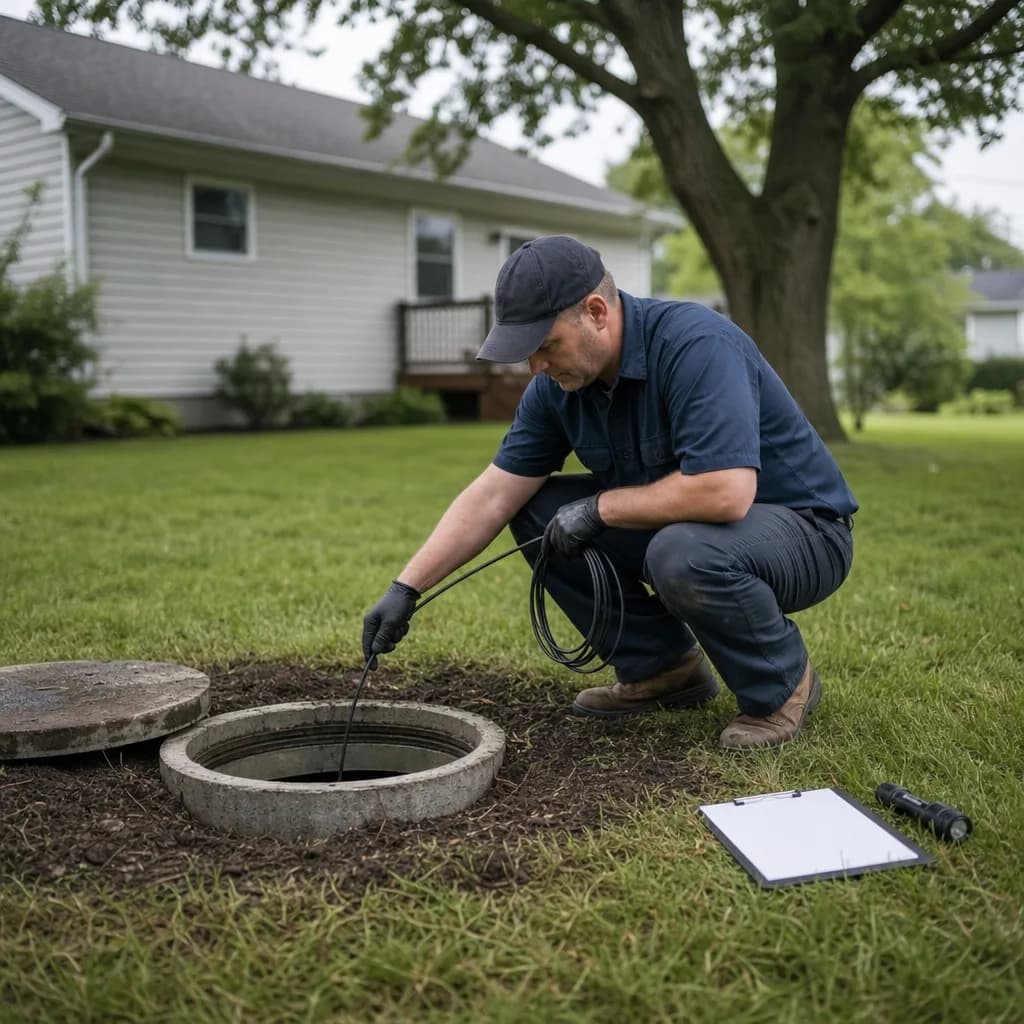
Signs You Need a Septic Inspection Now
Your septic system usually tells you something's wrong before it fully fails. The hard part is knowing which signs can wait a few days and which can't.
Call right away if you notice any of these:
- Dark, smelly water coming up in a tub, shower, or floor drain. Watch the lowest drain in the house first.
- Toilets that won't flush, or that back up when the washer or dishwasher drains.
- Standing water or spongy ground over the tank or drain field when it hasn't rained.
- A strong sewage smell in the yard near the tank, or inside near your drains.
- A septic alarm going off, if your system has an effluent pump.
Each of these means wastewater has nowhere to go. It's either backing up into the house or pushing up through the ground. Waiting doesn't fix it. It usually makes the mess bigger and the repair costlier.
These signs are quieter, but they still count:
- Several drains running slow at once. One slow sink is usually just a clog. Slow drains all over the house point to the system.
- Gurgling in the pipes or toilet after you flush or drain the tub.
- A strip of grass over the drain field that's greener and taller than the rest of the yard.
- Water pooling near the tank lid after heavy use, like a weekend with a full house.
None of these is an emergency on its own. They're the system's early way of saying the tank, a baffle, or the drain field isn't keeping up. An inspection tells you which one while it's still a smaller fix.
Here's a common moment. It's laundry day, and the downstairs toilet gurgles every time the washer empties. Nothing has backed up yet. That's the time to get it checked, not after the bathroom floor is wet.
Some reasons to get an inspection have nothing to do with symptoms. You're buying or selling a home on septic. You don't know when the tank was last pumped or checked. You've added a bathroom or more people to the house. Or you run a rental or business property in Evansville or the Tri-State where the system gets heavy use and a backup would shut things down.
If the inspection does turn up a problem, it's work we already handle. That includes septic tank repair, baffle and lid repair, effluent pump repair, and drain field repair or replacement.
Call now
Isolated Clogs Versus System-Wide Septic Problems
Not every slow drain is a septic problem. A lot of the time, it's just a clog in one pipe. That kind of clog has nothing to do with the tank or the drain field.
The fastest way to tell is to ask one question. Is it one fixture, or more than one?
A clog usually stays in one place. It also tends to match what goes down that drain:
- Kitchen sink only. Grease and food scraps build up in that line.
- Bathroom sink or tub only. Hair and soap scum are the usual cause.
- One toilet only. Too much paper, wipes, or something a kid flushed.
- Floor drain only. Dirt and debris that washed in.
If the rest of the house drains fine, the tank isn't the issue. Wastewater from those other fixtures is reaching the septic system just fine. The blockage sits in the branch line before it joins the others.
You can test this at home. Run water in the slow sink and watch the other drains nearby. Flush a toilet and look at the tub. If nothing else bubbles or rises, the problem is local.
There's a middle case that fools people. Sometimes the clog is in the main line between the house and the tank. Every drain slows down, so it looks like the whole system is failing. But the tank and field may be fine. Clearing that line is a drain cleaning job, not a septic repair.
So when can you skip the inspection? If all of these are true, you can probably wait:
- Only one fixture is slow.
- A plunger clears it, and it stays clear.
- There's no sewage smell inside or outside.
- The ground over the tank and field is dry.
- You know the tank was pumped and checked on a normal schedule.
That's a clog. Handle it, and keep an eye on it. You don't need an inspection for a bathroom sink full of hair.
Picture this. Your bathroom sink has drained slowly for a week. The toilet, tub, and kitchen sink all work fine. Nothing smells. That's almost surely a hair clog in the sink trap or drain line, not a tank issue.
Now picture the other version. You clear the main line in March, and it backs up again in May. That's different. A clog that keeps coming back can mean the tank is too full to take more water. It can also point to a broken baffle or a drain field that isn't soaking water away. At that point, cleaning the line again only treats the symptom.
Repeat clogs are where a clog turns into a septic system service question. The pipe isn't the real problem anymore. The inspection is how you find out what's going on past the pipe.
Commercial property works the same way, just on a bigger scale. A restaurant's prep sink backing up is likely grease in that line. If restrooms and kitchen drains across the building slow down together, the shared system needs a look.
If you're not sure which case you have, start with how many drains are acting up. One is usually a clog. Several, or one that keeps returning, is worth checking past the house.
That same focus carries through the practical septic system guidance our team provides to local families.
Septic Inspections for Home Sales in Evansville
Buying a house on septic means buying the tank and drain field too. You can't see either one on a walk-through. A septic inspection is how you find out what you're really getting before the papers are signed.
That matters a lot around Evansville and the Tri-State. Plenty of homes just past city sewer lines run on their own systems. Some of them are decades old, and the owners may not know much about them.
A general home inspection usually doesn't cover the septic system in any real depth. The home inspector may run the faucets and flush the toilets. That tells you the drains work today. It doesn't tell you if the drain field is close to the end of its life.
A useful sale inspection should answer a few plain questions:
- Where is the tank, and can it be opened and checked?
- How full is it, and when was it last pumped?
- Are the baffles and lids in good shape?
- Is the drain field soaking water away, or is it wet and struggling?
- If there's an effluent pump or alarm, does it work?
Be careful with a quick look that only checks the yard and runs some water. A tank that was just pumped before a showing can look fine for a while. That doesn't prove the field can handle a full house.
If you're the buyer, set up the inspection early in your inspection window. Finding the tank, digging down to the lids, or getting it pumped can take more time than you'd think. You want results while you still have room to negotiate. A bad drain field is a big repair. It's much better to know that before closing than after you move in.
Ask the seller for any records they have. Pumping receipts, repair bills, and a drawing of where the tank and field sit all help. No records at all isn't a dealbreaker. It's just a reason to look closer.
If you're the seller, an inspection before you list can save you a surprise mid-deal. A broken baffle or a cracked lid is a smaller fix you can handle on your own schedule. Otherwise it can turn into a last-minute price cut when the buyer's report comes back. Some lenders also ask for septic paperwork, so check with your agent and lender early about what they need.
A few things push the cost of a sale inspection up or down:
- Whether anyone knows where the tank is
- How deep the lids are buried
- Whether the tank needs pumping so it can be fully checked
- Whether there's a pump, alarm, or more than one tank
Before you hire anyone, ask what the inspection covers, whether the tank will be opened, and what kind of written results you'll get. Those answers tell you if you're paying for a real look or just a quick glance.
The same goes for rental homes and small commercial properties changing hands in the Tri-State. A system that's served a busy duplex or a shop for years has worked hard. The new owner should know how much life it has left.
Need help with Septic inspection?
Call Now. Evansville Plumbing Repair is ready to help.
What Happens During a Septic Inspection
A real septic inspection happens mostly in the yard, not in the house. The tank and the field have to be found, opened, and looked at. Running water and flushing toilets is only one small part of it.
Here's what a thorough inspection generally covers, in the order it usually happens.
- Finding the tank. If nobody knows where it is, the inspector traces the main line out from the house or probes the soil until they hit the lid.
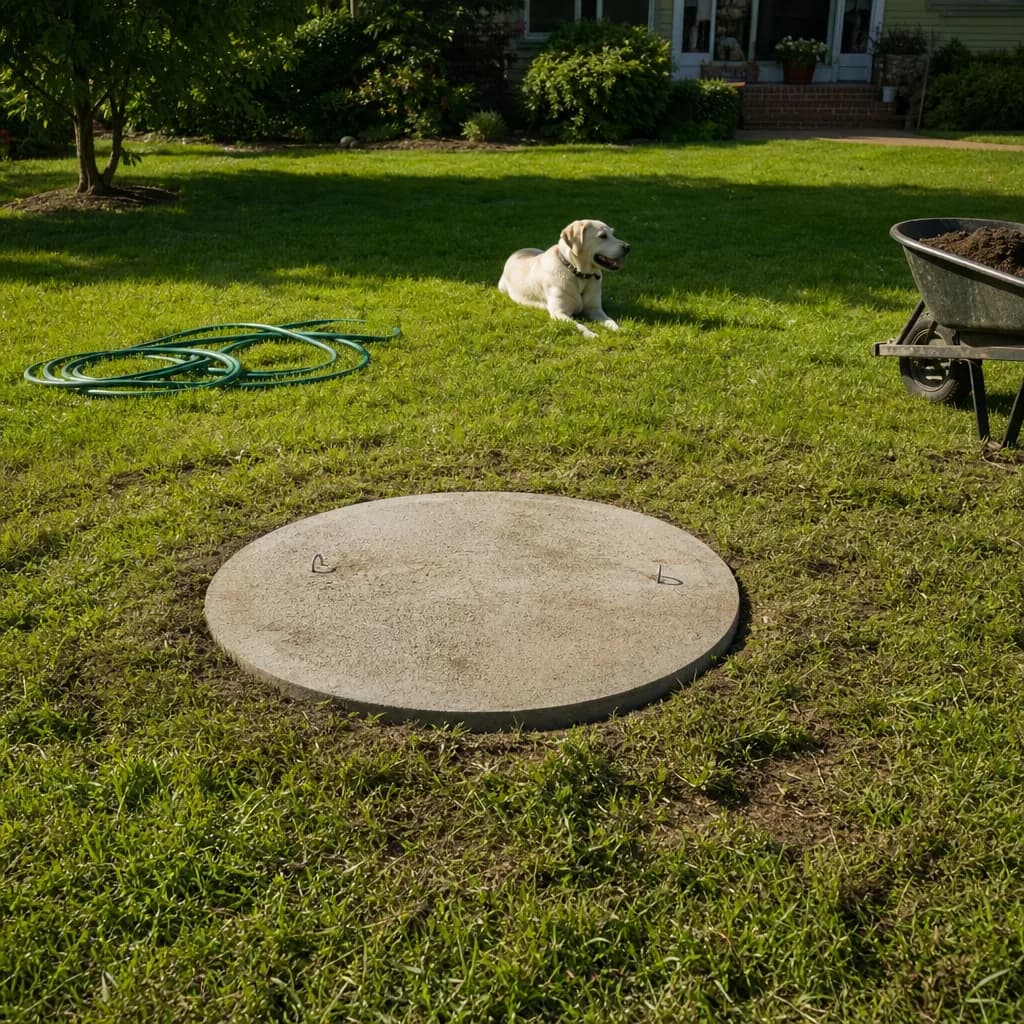
- Uncovering the lids. Some sit at ground level. Others are buried under a foot or more of dirt and have to be dug out by hand.
- Checking the water level. It should sit right at the outlet pipe. If it's higher, water isn't leaving the tank the way it should, and that points toward the drain field.
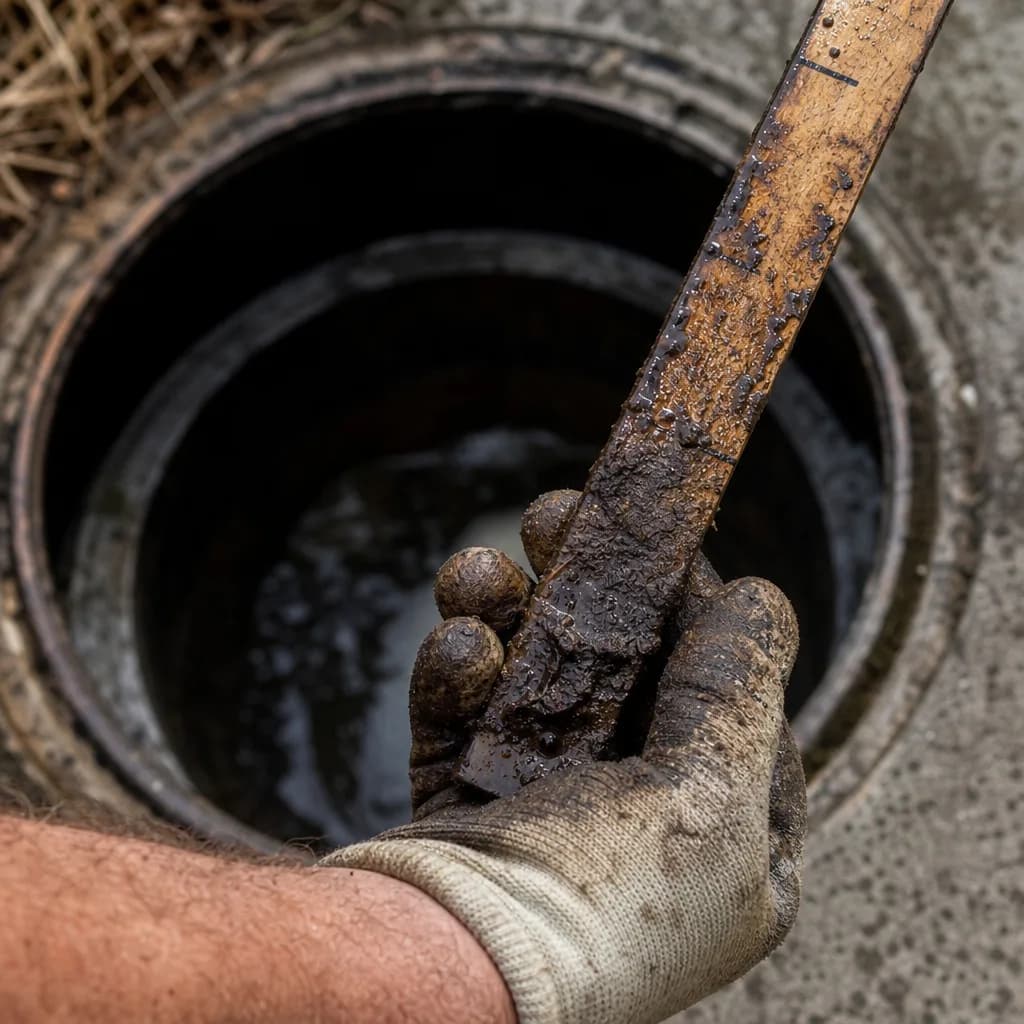
- Measuring the layers. Every tank has a sludge layer on the bottom and a scum layer on top. Measuring both shows how close the tank is to needing a pump-out.
- Looking at the tank itself. That means cracks, roots getting in, rusted or broken lids, and baffles that have crumbled or fallen off.
- Walking the drain field. The inspector looks for wet spots, sewage smell, and patches of grass that grow faster than the rest. Some will probe the soil to see how saturated it is.
- Testing any pump and alarm. If the system has an effluent pump, the float and alarm should turn on when they're supposed to.
Sometimes the tank needs to be pumped before the inspection can finish. A full tank hides the bottom and the walls. Once it's empty, it's much easier to spot a crack or a broken baffle.
A water test may also be part of it. Water is run into the system at a steady rate, and the inspector watches whether it backs up. It's a rough way to see how the field handles a normal day's load.
You can help things go faster. Move cars, trailers, or anything stored over the area where you think the tank is. Keep pets inside. Pull out any old pumping receipts or a drawing of the system if you have them.
Think about a homeowner who's never seen their own tank lid. Once it's dug up and opened, they can see the scum layer sitting almost at the outlet. Now they know why the toilets have been gurgling. They also know the next step is a pump-out, not a new drain field.
At the end, you should get clear results in writing. That includes what was checked, what's working, and what isn't. If something needs fixing, the results should say what it is and how soon it needs attention.
Commercial systems follow the same steps. There may be more tanks, bigger pumps, and more ground to walk. A shop, church, or rental property in the Tri-State that runs heavy daily use should expect a longer look.
Call (812) 677-8484
Why Soil and Seasonal Conditions Matter for Evansville-Area Septic Systems
Your drain field is only as good as the ground under it. The tank holds the solids. The soil is what soaks up the water and cleans it. If the soil can't take water, the whole system backs up, even if the tank is fine.
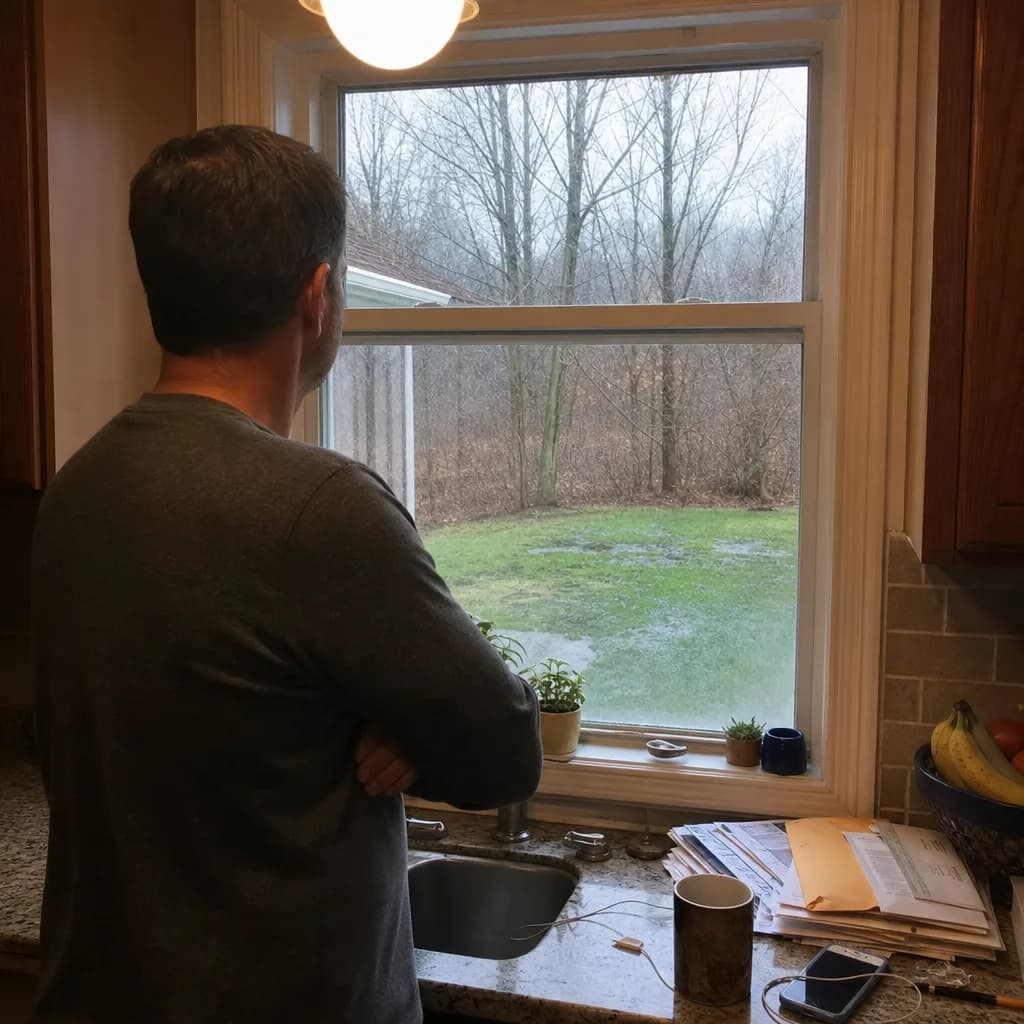
Lots around Evansville and the Tri-State aren't all the same. Some sit on tight soil that drains slowly. Others sit low, near creeks or the Ohio River bottoms, where groundwater can rise close to the surface. Two houses a mile apart can have very different drain fields.
That's why the same symptom can mean different things. A soggy field after a dry week is a warning. A soggy field after days of steady rain may just mean the ground is full. An inspection sorts out which one you've got.
The seasons change things too. Here's how each one tends to show up:
- Spring. Rain and snowmelt soak the ground. A field that's already weak has no room left, so slow drains, gurgling, and wet spots often show up first in spring.
- Summer. Dry ground soaks up water fast. A struggling field can look fine for months, then act up again when the rain comes back.
- Fall. Leaves and heavy rain can hide wet spots. Fall is a good time to check the system before winter.
- Winter. Frozen ground makes buried lids harder to reach. Snow that melts faster over one patch of the field can point to a problem spot underneath.
Here's what that means for you. If your drains acted up in April and then settled down by July, don't assume the problem fixed itself. Tell us what you saw and when. That history tells us more than one dry afternoon in the yard can.
The same goes for buyers. A house inspected in a dry August may look better than it does in March. Ask the seller how the system behaved after heavy rain or a long wet spell. If they say the yard gets soggy every spring, take that seriously.
You can also take extra water off the field yourself. A few habits help a lot:
- Point gutter downspouts away from the tank and field.
- Make sure your sump pump doesn't drain onto the field. If it does, the discharge line can be moved.
- Spread out laundry over the week instead of doing five loads in one day, especially when the ground is wet.
- Keep cars, trailers, and heavy equipment off the field. Packed-down soil soaks up less water.
Commercial properties feel this even more. A shop or rental that sends a lot of water into the system every day has less room for a wet season. When the ground fills up, a backup can shut the doors.
None of this means you should wait for the perfect season to get help. If sewage is backing up or the field is wet, it needs a look now, rain or not.
Call (812) 677-8484
Common questions
- Does homeowners insurance cover septic tank replacement?
- Usually not, if the problem comes from normal wear, age, or lack of maintenance. Most policies only step in for sudden, accidental damage, like a tree falling and crushing the tank. A slow failure from years of use or a full tank that was never pumped is treated as a maintenance issue, not an insurance claim. That's one more reason to catch small problems early with an inspection instead of waiting for a bigger failure.
- Can you sell a house with a non-compliant septic tank?
- It depends on your buyer, their lender, and local requirements, but a non-compliant system can slow down or sink a sale. Many lenders ask for septic paperwork before closing, and a failing drain field can scare off a buyer once it shows up in their inspection report. Getting your system checked before you list gives you time to fix a broken baffle or cracked lid on your own schedule, instead of facing a last-minute price cut.
- What is a septic tank inspection?
- It's a hands-on check of your tank and drain field to see how well the whole system is working, not just whether water drains from the house. That means finding and opening the tank lids, checking the water level and sludge layer, looking for cracks or broken baffles, and walking the drain field for wet spots or sewage smell. Running the faucets and flushing toilets only tells you the pipes work today. It doesn't tell you how much life is left in the tank or the field.
Where we do this work
This page is for septic inspection based out of Evansville, IN. We also work surrounding communities. City pages cover each market; as demand grows we can add service pages for specific cities without rebuilding this silo.
Related work
- Septic tank repair01
- Septic baffle / lid repair01
- Septic tank / drain field01
- Septic system installation01
We also do this work for businesses across the area.
Commercial plumbingReady to Get Started?
Call (812) 677-8484 Now.