
Septic System Repair or Replacement in Evansville: How to Tell Which You Need
Evansville Plumbing Repair installs septic systems designed around local soil conditions, including clay-heavy and low-lying ground near Evansville's creeks and the river that often require pump-based system designs instead of standard gravity layouts.
Locally owned plumber in Evansville, IN. Open 24/7.
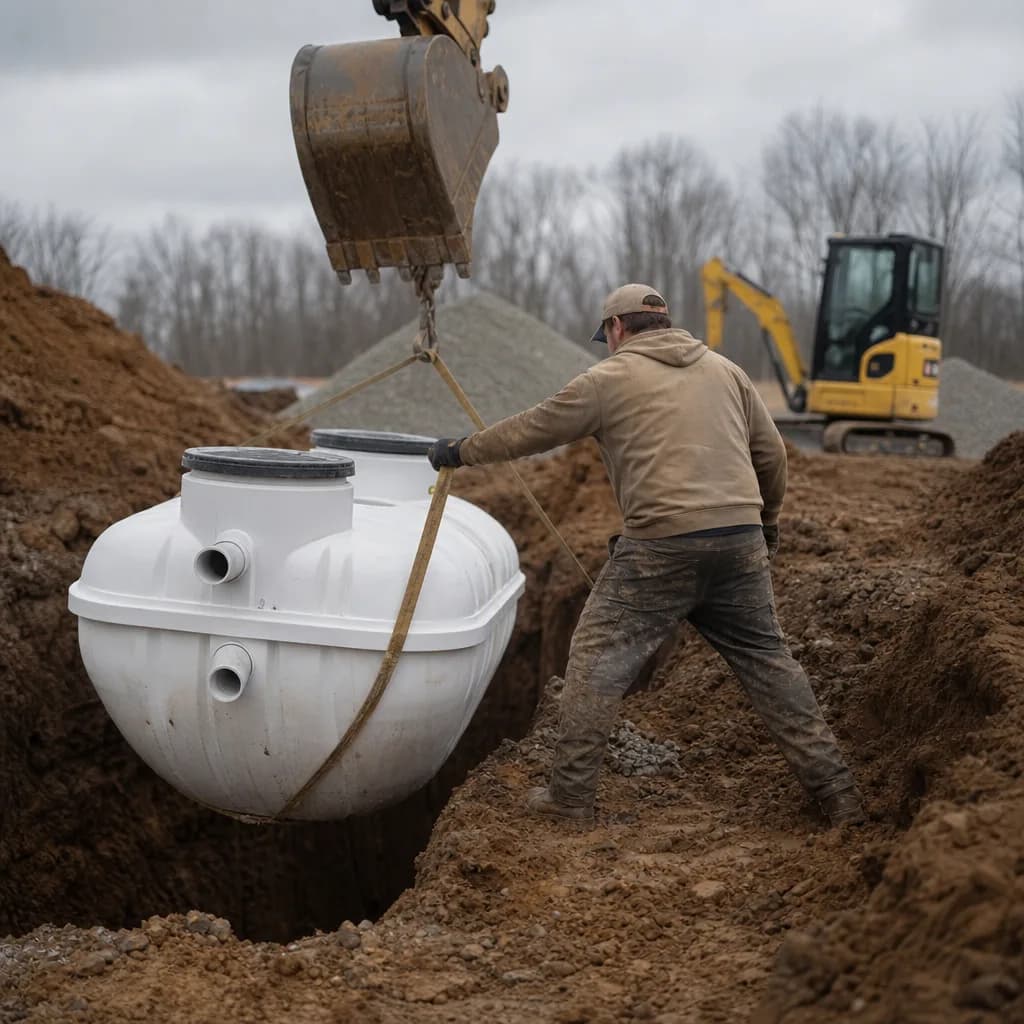
Full Installation or Repair: How to Tell Which One You Need
Let's start with the good news. Most septic warning signs point to one part, not the whole system. Before you assume the worst, it helps to know which part is acting up.
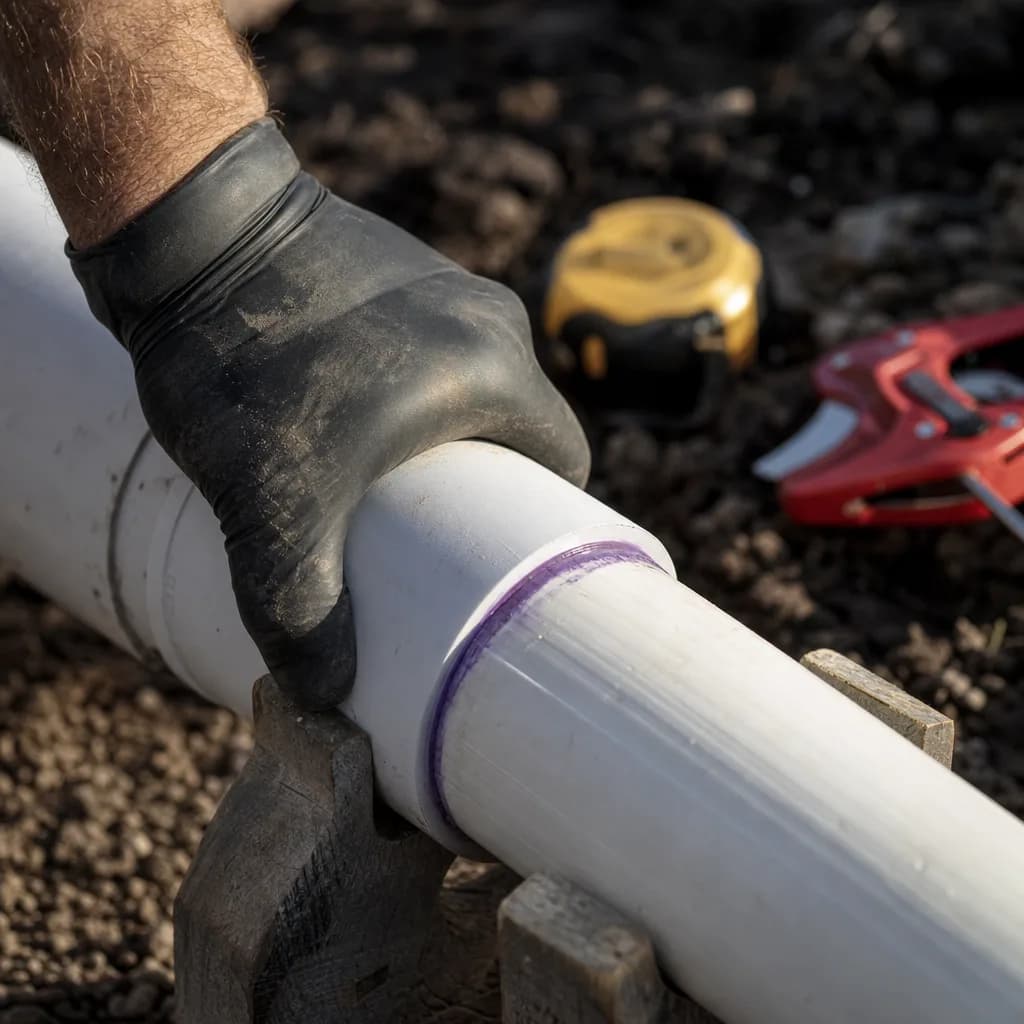
A septic system is a few pieces working together. There's the tank, the baffles inside it, the lid on top, sometimes an effluent pump, and the drain field out in the yard. Any one of those can wear out while the rest keeps working fine.
These signs usually point toward a repair:
- A cracked, loose, or broken lid. That's a lid repair, not a new tank.
- A baffle inside the tank that's broken, rotted, or missing. Solids can slip out toward the drain field when that happens, so it's worth fixing soon.
- A pump alarm going off, or a system that relies on a pump and suddenly stops moving water. The effluent pump may just need repair.
- Soggy ground or odor over one section of the drain field while the rest stays dry. Part of the field may need work, not the whole thing.
- Slow drains in the house with no trouble in the yard. That can be a clog in the line between the house and the tank.
These situations usually point toward a full installation:
- There's no system at all. It's a new home, a new commercial building, or a lot that's never been built on.
- The tank itself is cracked through, collapsed, or leaking badly enough that patching it won't hold.
- The drain field has failed across the whole area and won't take water no matter what.
- You've added bedrooms, added a building, or changed how the property is used, and the old system is too small for the load.
- The system is very old, nobody has records on it, and an inspection shows several parts failing at once.
There's a middle ground too. Sometimes the tank is still solid but the drain field is done. In that case, replacing the drain field can be enough, and you keep the tank you already have.
Here's a common moment. You walk the yard after a rain and notice one patch that stays squishy and smells off. That feels like a disaster. But a single wet patch is a reason to look closer, not proof you need a new system.
If you can't tell which bucket you're in, a septic inspection is the place to start. It shows which parts are working and which aren't. Then you're choosing between real options instead of guessing.
We handle both sides of this for homes and businesses in Evansville and the Tri-State. That includes septic tank repair, baffle and lid repair, effluent pump repair, drain field repair and replacement, and full septic system installation. Quotes are free, and there's no trip or diagnostic fee. You can find out what's wrong and what it'll take before you commit to anything.
Indiana Law Requires a Permit Before a New System Goes In
In Indiana, you can't just dig a hole and drop in a tank. A new septic system needs a permit from the local health department before the work starts. For most Evansville properties, that means the county health office.
This isn't paperwork for its own sake. A septic system handles wastewater right in your yard. If it's the wrong size or in the wrong spot, it can back up into the house, flood the yard, or leak into ground water. The permit is how the county checks the plan before anyone is stuck with a bad one.
Here's what the permit process usually looks at:
- The soil. Someone checks how well the ground takes water. Soil that drains too slowly or too fast changes what kind of system can go in.
- The size of the load. Bedrooms in a home, or daily use in a commercial building, set how big the tank and drain field need to be.
- Where things sit. The tank and field have to stay set back from wells, property lines, buildings, and water.
- A site plan. The design gets written down and reviewed before digging.
- An inspection. The health office usually wants to see the system before it's covered with dirt.
There's one more question in Evansville that a lot of people don't think to ask. Is city sewer available at your property? If a sewer line runs close by, the county may expect you to tie into it instead of putting in a new septic system. That's worth finding out before you plan anything.
Soil matters a lot around here. Clay holds water and drains slowly, and low ground near creeks and the river can stay wet for weeks after a rain. That's why the soil check isn't a formality. It can change the whole design, and sometimes the price.
So what happens if a system goes in without a permit? It can come back to bite you. Selling a house is the big one. A buyer's inspector or lender may ask for septic records. If there's no permit on file, you could be stuck redoing the work, paying fines, or watching a sale fall apart.
Insurance can get messy too. If an unpermitted system fails and causes damage, getting help with the cleanup gets harder.
Before you hire anyone for a new install, ask a few plain questions:
- Who's applying for the permit, you or me?
- Is the soil check part of your quote, or is that separate?
- Will the county inspect it before it's backfilled?
- Will I get copies of the permit and the final approval for my records?
If an installer says you don't need a permit, or offers to skip it to save time, that's your cue to keep looking. A new system has to last for decades. The few weeks of approval up front protect that investment.
Septic system service is listed on our Google profile alongside our plumbing work, and our team is licensed and insured. If you're not sure where your property stands, whether that's sewer nearby, wet ground, or an old system with no records, call us at (812) 677-8484 or use the contact form. Quotes are free, and there's no trip or diagnostic fee.
That same focus carries through the practical septic system guidance our team provides to local families.
When a Property Needs a New Septic System
Say you've checked, and it's not a lid or a pump. The tank is shot, the field is done, or there's no system at all. Now you're looking at a full install. That's a bigger job, but it's not a mystery. Knowing what drives it helps you plan.

Most new installs come from one of four places:
- A new home on a lot outside the sewer lines. Plan the septic system alongside the house, not after it. Where the house sits can limit where the field can go.
- A system that failed for good. The old tank usually has to be pumped out and then removed or filled in properly. That step adds to the job.
- A home that grew. A finished basement bedroom or an in-law suite adds people and water. A tank sized for three bedrooms can struggle with five.
- A commercial property that changed use. An office that turns into a restaurant or a daycare puts a very different load on the system.
Each of those leads back to the same thing. The new system has to fit the ground and the load it's carrying. Get that right and it can run quietly for decades. Get it wrong and you'll be back where you started.
There's no one price for a new septic system. A few things push the cost up or down:
- System size. More bedrooms or more daily use means a bigger tank and more field.
- System type. Ground that drains well can often take a standard gravity system. Slow or wet ground may call for a pump or a different design, and that costs more.
- Distance and grade. If the field sits uphill from the tank, you'll need a pump to move the water.
- Access. Heavy equipment has to reach the spot. Fences, trees, driveways, and tight side yards can slow things down.
- Old system removal. Taking out or abandoning a failed tank is part of the bill.
- Yard repair. Expect bare dirt over the work area. Ask whether grading and seed are included.
When you compare quotes, make sure they cover the same things. One quote may include removing the old tank and another may not. A low number that leaves out the permit, the soil work, or the cleanup isn't really lower.
You can make the job go smoother before anyone shows up. Find any old septic records, a property survey, or a plat map you have. Mark your well if you're on one. Know your bedroom count and any plans to add on. For a business, know how many people use the building each day and what kind of work happens there.
Think about timing too. Ground that's soaked after a long rain is hard to dig and hard to test. If your current system is failing badly, don't wait. If you're planning ahead, a drier stretch makes the work easier.
We're licensed, insured, and locally owned, and we put in septic systems for homes and businesses in Evansville and the Tri-State. We're open 24/7, quotes are free, and there's no trip or diagnostic fee.
Call (812) 677-8484
Have questions? We're happy to help.
Call Now. Evansville Plumbing Repair is ready to help.
What Drives Septic Installation Cost Up or Down
You already know the big things that set the price, like size, system type, slope, and access. What trips people up is how the quote is built and what can change once digging starts.
A septic install isn't one charge. It's a stack of smaller ones. Some come from the installer. Some come from other people. Here's what usually sits in that stack:
- The soil test. It's sometimes done by a separate soil professional and billed on its own.
- The system design. On some jobs it's drawn up apart from the install.
- The permit fee. That's paid to the health department, not the installer.
- The tank, the pipe, and the field materials.
- Labor and equipment time.
- Backfill, hauling, and cleanup.
Ask which of these the quote covers and which you'll pay someone else for. That one question clears up most of the confusion.
Some costs only show up once the ground is open. Nobody can see through dirt. These are the common surprises:
- Rock, old concrete, or buried junk in the dig area.
- Water in the hole. On wet clay or low ground, the hole can fill faster than expected.
- An old tank nobody knew about.
- A health inspector who asks for a change before signing off.
None of these are rare, so a fair quote should say how they'll be handled. Ask what happens if the crew hits something. Will they stop and call you first? Will you get the change in writing before the work goes on? You want those answers before day one, not while a machine sits idle in your yard.
You've got more control over cost than you might think. These steps can bring it down:
- Keep what still works. If an inspection shows the tank is solid, a drain field replacement may be all you need.
- Plan it with the build. On a new home, laying out the house and the field together avoids a costly squeeze later.
- Clear the path. Move vehicles, sheds, and anything else that blocks equipment.
- Pick your timing when you can. Drier ground digs faster and tests cleaner.
- Check for sewer first. If a city line is close, tying in with a sewer line installation may make more sense than a new system.
Commercial jobs add a few more things to think about. Daily use runs higher and less steady than in a home. A kitchen, a shop, or a building with lots of visitors can need a bigger system or added parts. Know your real daily use. Guessing low saves money now and costs a lot more later.
The cheapest quote isn't always the cheapest job. A system that's sized right, permitted, and built for the ground under it is the one you don't pay for twice.
Call (812) 677-8484
Why a Full-Range Septic Provider Simplifies the Decision
Septic trouble rarely stays in one neat box. A backup in the house could be a clogged line, a broken baffle, a dead pump, or a field that's done. If the company you call only does one of those jobs, its answer tends to look like that job.
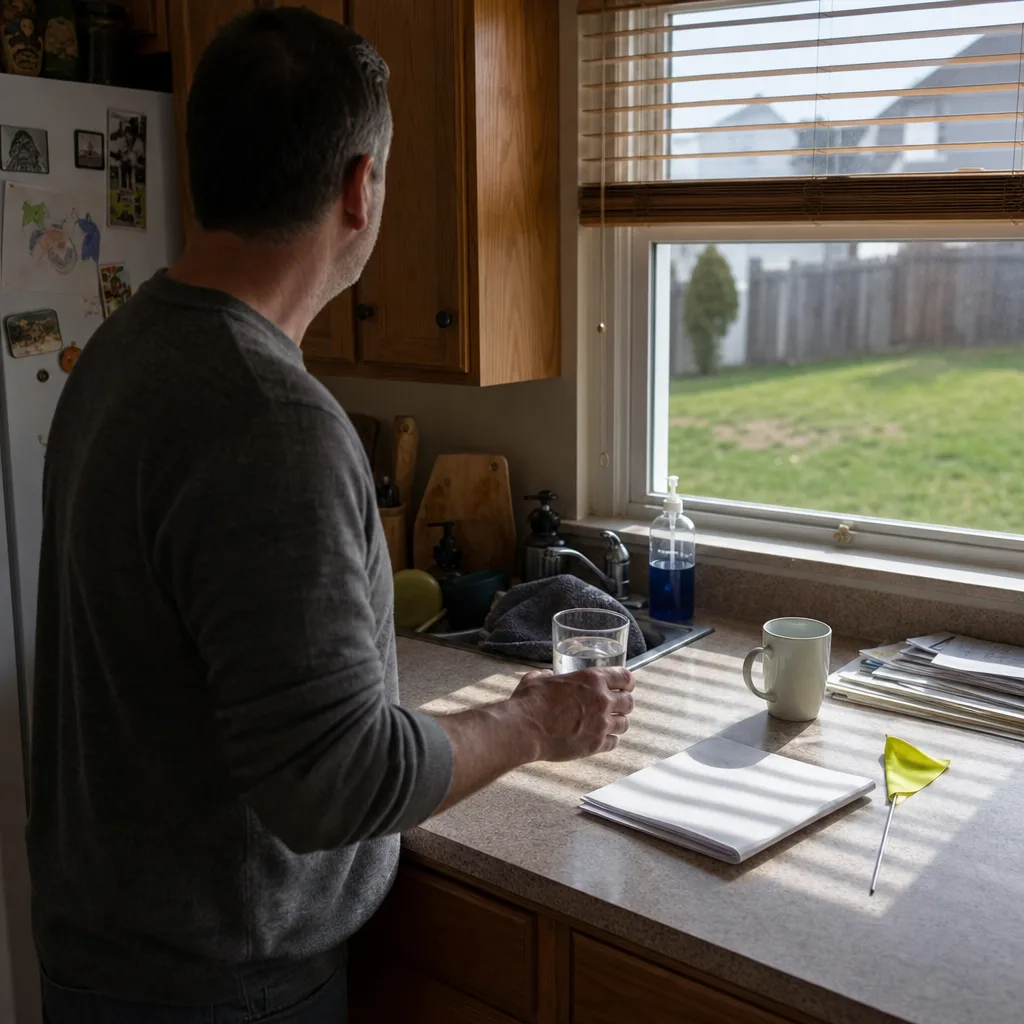
Think about it from the other side. A company that only installs systems has nothing to offer you but a new system. A company that only patches may keep patching long after the tank is past saving. Neither one is lying. Each is just looking at your system from one angle.
When one team handles the whole range, the question changes. It's not "What can we sell here?" It's "Which part failed, and what's the smallest fix that will hold?" That's the question you care about.
Here's what that range covers on our side:
- Septic inspection, to see what's working and what isn't
- Septic tank repair, plus baffle and lid repair
- Effluent pump repair
- Drain field repair or replacement
- Full septic system installation
- Drain cleaning for the line between the house and the tank
- Sewer line installation, when city sewer is close enough to tie in
That last one matters in Evansville. A sewer line near your property can change the whole plan, as we covered above. A company that does both septic and sewer work can talk through either path without steering you toward one.
It also keeps you from being stuck in the middle. Picture a slow kitchen drain at a small shop. One company clears the line and leaves. Two weeks later the backup is back, and a second company finds a broken baffle. A third gets called when the field turns out to be soaked too. That's three visits, three bills, and the same story told three times.
A provider that can follow the problem from the drain to the field has a better shot at seeing how the pieces connect the first time.
There's one more upside. If the answer does turn out to be a new system, you don't have to start over with strangers. Whoever looked at your tank and field already knows your yard, your grade, and where the old system sits. That knowledge doesn't get lost between companies.
A full range doesn't mean every job ends in a big bill. Sometimes the honest answer is a new lid. Sometimes it's a pump. Sometimes it's a drain cleaning and nothing more. What matters is that whoever looks at your system can do any of those, so the advice isn't tied to one job.
We're licensed, insured, and locally owned, and we're open 24/7 for homes and businesses in Evansville and the Tri-State. Quotes are free, and there's no trip or diagnostic fee, so it costs you nothing up front to find out which part failed.
Call (812) 677-8484
Common questions
- Can a plumbing part really cost way more than I expect during a septic job?
- Yes, sometimes a part that seems small ends up costing much more once labor and site conditions are factored in. On septic jobs, hidden costs like rock in the dig area, water in the hole, or an old buried tank can add to the job once the ground is open. That's why a fair quote should explain how surprises like these get handled before digging starts.
- What should I do with old septic parts I find in my yard, like a green lid?
- Leave it alone and get it checked before you dig or disturb it. A green lid or an odd fixture in the yard is often part of your existing septic system, such as an access lid or cleanout. If you're not sure what a part is for, a septic inspection can tell you what's there and whether it still works.
- Does wet or clay-heavy ground in Evansville affect how a septic system is installed?
- Yes, clay soil and low ground near creeks and the river can change the whole system design. Clay holds water and drains slowly, so a standard gravity system may not work and a pump-based design could be needed instead. That's why the soil check during the permit process matters so much here, since it can also change the price.
Where we do this work
This page is for septic system installation based out of Evansville, IN. We also work surrounding communities. City pages cover each market; as demand grows we can add service pages for specific cities without rebuilding this silo.
Related work
We also do this work for businesses across the area.
Commercial plumbingReady to Get Started?
Call (812) 677-8484 Now.